top of page


Welcome to the Waste To Energy Movement

E
In a world with an increasing population and consumption there is a pressing need to use our resources in the best possible way. This involves reducing the generation of waste, high-quality recycling and use of the residual waste for efficient and clean energy generation.
G
A major environmental problem that contaminates underground water reserves, soil, and air. An overall danger to public health and a source of deadly bacteria, carcinogens, and numerous deadly diseases including: Dengi, Bacteria, Meningitis, and more.
W
2
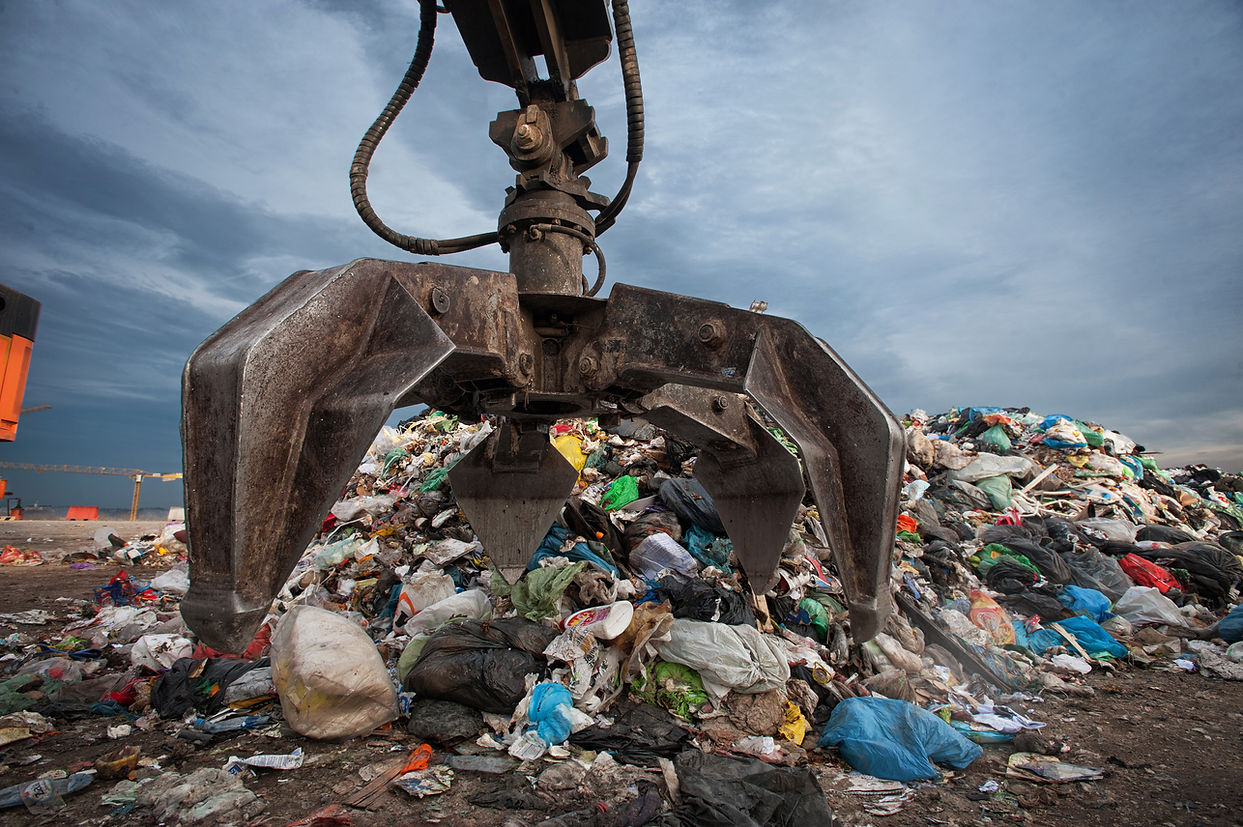
Landfill fires are a real and present danger and can occur with any landfill regardless as to how it is managed. Waste volumes, waste disposal management issues, and maintenance costs are increasing every year. Take control in advance.
Pollution and untreated-unwanted waste can cause extremely negative social and political effects. Landfills throughout the continent of Africa are reaching their capacity and they are also unpopular with local community perception. The time for change is now.
The natural environment’s capability to absorb and process these materials is under great stress as well as danger. Matter and energy are abused during waste disposal, requiring that a greater burden be placed on ecosystems to provide these.
African Landfills
 |  |  |  |  |
|---|---|---|---|---|
 |  |  |  |  |
 |  |
contact
When municipal solid waste is disposed of in landfills, the organic fraction of the waste undergoes long-term anaerobic decomposition. This process generates landfill gas (LFG), a mixture composed primarily of methane (CH₄) and carbon dioxide (CO₂), along with trace volatile compounds. Methane typically represents 45–60% of LFG, while carbon dioxide accounts for approximately 40–55%.
Landfill gas generation increases steadily as waste accumulates and continues for decades after a landfill is closed. While gas production usually begins within a few years of disposal, significant methane and carbon dioxide emissions can persist for 25 years or more, with total emissions potentially continuing for up to 50 years depending on waste composition, landfill management practices, and climatic conditions.
Because methane is a potent greenhouse gas with a global warming potential far greater than carbon dioxide over short time horizons, unmanaged or poorly controlled landfill emissions represent a significant long-term environmental and climate liability. Even modern landfills equipped with gas capture systems are unable to fully contain these emissions over the lifespan of the facility.
1
Many Africans do not have access to energy.
2
In Africa, a very limited share of waste is recovered and reused.
3
The use of waste to generate electricity will make a direct impact in Africa.
4
GW2E alleviates energy poverty in countries with low access to electricity.
As waste management practices improve alongside economic development and rising household incomes, waste collection rates are expected to increase over time.
bottom of page